Water Quality InformationWritten By Actual Experts

RSS

Organophosphate Pesticides: What You Need To Know

Analies Dyjak @ Wednesday, October 25, 2017 at 1:32 pm -0400

Stephanie Angione, Ph.D. | Scientific Contributor

Pesticides are chemicals used to kill environmental pests including insects, weeds, fungi and rodents. This article focuses on organophosphate pesticides, which are one type of pesticide used today. If you're looking for a more general overview on pesticides, you can view it here.

History Of Organophosphate Pesticides

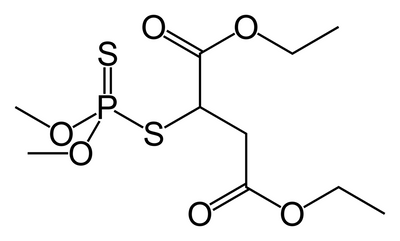
Organophosphate pesticides largely replaced DDT and other chlorinated hydrocarbons in the 1960s and 1970s, including the compounds malathion, parathion, and diazinon. These compounds were originally favored over DDT since they break down much more rapidly in the environment, and do not present the problem of persistent pollution like their predecessors. That said, the degradation products of organophosphate pesticides can also be toxic. The EPA has thus banned the residential use of organophosphates, but they are still widely used in agricultural applications and for mosquito abatement. Organophosphate pesticides account for approximately 30-40% of all insecticides used in the US. Despite their widespread use and toxicity, organophosphate pesticides break down in the environment rapidly, and are thus rarely found as contaminates in groundwater as the intact chemical.

Health Effects Of Organophsphate Pesticide Exposure

The health effects of organophosphate pesticides in humans differ based on acute or chronic exposure, as well as the exposure amount. Since organophosphates inhibit the action of acetylcholinesterase, acetylcholine builds up in the nerves, and overstimulation of the central nervous system results in widespread effects including headache, seizures, depression of respiration and circulation, tremors and potentially coma. Victims of acute organophosphate poisoning typically die because they can’t breathe. Effects of chronic organophosphate pesticide poisoning are similar and include confusion, memory loss, depression, disorientation, weakness, headache, nausea and vomiting. While still inconclusive, there is evidence that organophosphate exposure causes several types of cancer, including lymphoma and leukemia.

How Do I Remove Pesticides From Drinking Water?

Water filtration systems that use activated carbon as part of the filtration media blend or reverse osmosis can be effective in removing pesticides from water. Contrary to what some people tell you, boiling/freezing water does NOT remove pesticides from drinking water!

Do You Have More Questions About Organophosphate Pesticides In Drinking Water?

Hydroviv makes it our business to help you better understand your water. As always, feel free to take advantage of our “help no matter what” approach to technical support! Our water nerds will work to answer your questions and provide organophosphate pesticide info, even if you have no intention of purchasing one of our water filters. Reach out by dropping us an email (hello@hydroviv.com) or through our live chat. You can also find us on Twitter or Facebook!

Recommended For You
What Do I Need To Know About Contamination In My Well Water?
Why Should I Care About Endocrine Disruptors?
How Can Agricultural Runoff Contaminate My Drinking Water?


What Science Tells Us About Exercise Hydration

Analies Dyjak @ Thursday, September 14, 2017 at 2:12 am -0400

Mike Molloy, Ph.D.  |  Founder: M2 Performance Nutrition

Editor's Note: Dr. Molloy (pictured above) received his Ph.D. from Dartmouth Medical School. His R&D background and status as an elite athlete puts him in a unique position to come up with scientifically-backed nutritional strategies, as well as to experiment with emerging techniques that show promise.  Dr. Molloy's results speak for themselves... 10 of his elite clients competed in the most recent Reebok CrossFit Games.

Is Hydration As Simple As "Filling Up Big Bags Of Water?"

Everyone's probably heard the statement that we humans are just big bags of water, and that's fairly true with 50-60% of our total body mass being water. FYI, men are a little higher on that average and women are typically a little lower. No surprise, but water is extremely critical for pretty much all of the functions that occur in the body at a cellular and organ based level. Water in your body basically is divided into two major compartments; the intracellular fluid (inside the cell membrane) and extracellular fluid (outside of the cells), your blood fluid being a perfect example. While both ICF and ECF are still water, they're actually pretty different as it relates to electrolytes with ICF being higher in potassium and magnesium and ECF being higher in sodium and chloride.

What Are The Different Ways That We Get Water Into And Out Of Our Body?

IN: No shocker here, drinking water and water based products. However, most foods contain a solid water component as well, notably fruits, veggies and water cooked carbs like rice and oatmeal.

OUT: Breathing, evaporation from the skin, sweating, urination and feces (AKA going Number 1 and Number 2).

Should I Just Drink When I'm Thirsty?

One of the major questions that we get is whether you can trust your thirst level to judge when to drink more fluids. As is common in the nutrition world, the answer is "it depends." Most of the time, your body doesn't generate a "thirst" response until about 1.5% of water is lost. Now if you're inactive, thats not a huge deal, but from an athletic performance point of view, its huge. Add on top of that the individual response to exercise ("sweater" vs. "non sweater") and making generalized statements about this topic is extremely difficult.

What science-based recommendations can we make? The Institute for Medicine determined that an adequate intake for men is ~3 liters and ~2.2 liters for women. Of course, there's a bunch variables that could cause you to want to drink more (and sometimes less) than these amounts. Another approach is to use your urine color as an indicator of hydration. Aiming for a goal of "slightly yellow" with ~5-6 urinations through a day seems to be a helpful goal for most people. Of course, supplements that have yellow coloring such a multivitamins, B vitamins, tumeric, etc. can skew the urine color so just just aware of that when considering this approach.

As a performance based nutrition coach, I'm definitely interested in how dehydration can impact human performance. We do know that the 1-2% dehydrated state can have a fairly large impact on performance in both endurance and more strength based efforts. However, we also know that OVER-hydrating can have negative impacts on performance as well if hyponatremia (low blood sodium levels) occurs. In extreme cases, this can actually be life-threatening.

What Should I Drink During Exercise? 

Athletes should be drinking about 8-10 ounces of water 20-30 minutes prior to exercise with another 5-7 ounces for every 20-30 minutes of exercise that follows, in an ideal world. For longer efforts, adding some carbohydrates to the water can improve the absorption of water into the blood circulation, along with any electrolytes that are included as well. Interestingly, several amino acids are also capable of helping to improve hydration as well, notably glutamine, alanine cysteine and glycine. All that said, most research indicates that exercise sessions lasting an hour or less are not negatively impacted by simply drinking water.

Should I Be Mixing Supplements Into My Water?

There's only a few things that I think are worth giving a try. Remember, everyone's a little different so ultimately your response to these approaches will be different as well.

  1. Himalayan salt: There is some evidence to show that a small dose (a pinch?) of Himalayan salt can help remove some of the burden we place on the adrenal glands through our day to day stresses. I personally keep the dose small and just do it for a single glass of water in the morning.
  2. Magnesium citrate: You might be surprised to learn that ~75% of Americans are deficient for magnesium. This is important because studies show that low magnesium levels can impact testosterone production, increase blood pressure and also reduces the efficiency of neuromuscular firing. Dosing can range from 300-500 mgs for the average person.

Is There Any Benefit To "Alkalized" Or Alkaline Water?

There's a hypothesis that an acidic diet (from both food and water) will impact blood pH and cause disease. It's important to note that blood pH is an extremely tightly regulated process and ordinary food or water products simply cannot impact this process. Now, the theory actually states that acid foods cause the body to pull calcium out of the bones in order to maintain the normal blood pH. However, what we know from a 2009 meta-analysis is that there was no association between the body's calcium levels and urine calcium levels. What they did find was that if your FOOD has higher calcium levels, so will your urine... which makes logical sense. So just to recap, higher acidic foods do not appear to pull calcium from your bones. If you want to dive deeper into this topic, I'd suggest checking out this article.

If you'd like to learn more about hydration for athletes or connect with Dr. Molloy, you can visit M2 Performance Nutrition's Website, and follow them on Instagram.

Other Articles We Think You'll Enjoy:

What You Need To Know About Chromium 6 In Drinking Water
What Toxic Chemicals Are Allowed In Drinking Water?

Perfluoroalkyl And Polyfluoroalkyl Substances (PFASs): What You Need To Know

Analies Dyjak @ Thursday, August 31, 2017 at 4:10 pm -0400

Stephanie Angione, Ph.D.

Updated 1/29/2020 to include new data.  

What Are Perfluoroalkyl and Polyfluoroalkyl Substances (PFASs)?

Fluorinated substances include a diverse range of chemical compounds that all contain at least one fluorine (F) atom. These substances vary in the amount of fluorine atoms they contain, and those that are highly fluorinated, or contain many F atoms per carbon (C) atom are referred to as perfluoroalkyl substances. These highly fluorinated substances are unique in their hydrophobic (water repellent) and lipophobic/oleophobic (fat/oil repellent) properties, as well as their general chemical and thermal stability.

These properties have made PFAS substances common in many types of applications, including creation of non-stick cooking surfaces, stain and water resistant coatings on fabrics, creation of oil/fat resistant food packaging and also in foam materials used to fight and prevent fires. Additionally, the automotive, aerospace, and construction industries have widely used these fluorinated substances for various applications due to their low friction properties.

Common PFASs include perfluorooctanoic acid (PFOA) and perfluorooctanesulfonic acid (PFOS), which have been used in the production of Teflon and Scotchgard respectively. The manufacturer 3M phased out the production of PFOS in 2002 and the EPA helped manufacturers of PFOA phase out production completely in 2015.

How Do PFAS Substances Contaminate the Environment?

PFASs are deemed “emerging contaminates” by the EPA; meaning that they are chemicals or materials thought to pose a potential threat to health and the environment, but haven't yet been regulated. PFASs contribute to environmental contamination largely due to the fact that they are highly resistant to degradation processes, and thus persist for many years in water, air and can enter the food chain via bioaccumulation in certain animal species.

The primary sources of human exposure to PFAS include:

  • Consumption of contaminated drinking water
  • Consumption of food that is packaged in materials containing PFASs, which have included fast food containers, microwave popcorn bags. (Most food manufactures have stopped using PFASs in these types of packaging.)
  • Consumption of food that contains PFASs, including fish and shellfish
  • Contact (hand to mouth) with clothing, carpets or other fabrics that have been treated with PFASs. (Skin exposure to PFASs on their own does not cause significant absorption into the body.)

What Are the Health Effects of PFAS?

The discovery of persistent contamination of drinking water sources with PFOA in West Virginia and Ohio prompted a large epidemiological study called the C8 Health Project. The study included nearly 70,000 individuals who had elevated PFOA levels in blood – approximately 500% higher than the representative population. The study found statistical correlation between elevated blood concentrations of PFOA with ulcerative colitis, impaired thyroid function, high blood cholesterol, testicular cancer, kidney cancer and preeclampsia.

How Do Polyfluoroalkyl & Perfluoroalkyl Substances Contaminate Drinking Water?

In 2016 the EPA released a lifetime health advisory for PFOA and PFOS in drinking water. This advisory indicates that the individual or combined concentration of PFOA and PFOS in water should be less than 70 parts per trillion (ppt). This EPA guideline is not an enforced limit – it simply provides guidance to local public health officials. However, under EPA guidelines issued in 2012, water systems are required to monitor levels of PFOA and PFOS. The results of this monitoring effort can be found on the National Contaminant Occurrence Database. Together with data collected under the monitoring effort and established assessments of human health effects, the EPA will make a regulatory determination to include PFOA and PFOS in national drinking water regulations.

Communities that have sources of drinking water contaminated with PFASs are typically localized and associated with a specific industrial facility or area used for firefighting. Both PFOA and PFOS have been found in drinking water systems due to this kind of localized contamination. A 2016 study of drinking water in the U.S. found unsafe levels of PFASs at the EPA minimum level of 70 ppt in 194 out of 4,864 water sources in 33 states. More recently, a 2020 study has shown that PFAS contamination is more widespread than originally thought.  Water sources with the highest levels of PFAS contamination were near industrial sites and military bases, and one of the major contributing sources was found to be firefighting foam.

How Can I Remove Polyfluoroalkyl & Perfluoroalkyl Substances From My Drinking Water?

Some public water systems employ methods (like granulated or powdered activated carbon) to reduce PFOA and PFOS at the municipal level, but these systems do not remove shorter-chain PFAS, like GenX. Hydroviv water filters use a blend of highly-porous active media including carbon, specialized ceramics, and ion exchange media to provide broad protection against PFASs (short and long chain) from drinking water (3rd party test reports for Hydroviv products can be Viewed HERE and HERE) . Water filtration systems that use reverse osmosis systems can also be effective, but you'll want to contact the manufacturer and ask for 3rd party test results against PFAS (not just PFOA/PFOS, which are easy to filter).  

Hydroviv makes it our business to help you better understand your water. As always, feel free to take advantage of our “help no matter what” approach to technical support! Our water nerds will work to answer your questions, even if you have no intention of purchasing one of our water filters. Reach out by dropping us an email (hello@hydroviv.com) or through our live chat. You can also find us on Twitter or Facebook!

Other Articles We Think You'll Enjoy

5 Things You Should Know Before Purchasing A Reverse Osmosis Filter For Your Home
How You Can Filter Chromium 6 From Your Drinking Water
How Does EPA Determine Allowable Levels Of Toxic Chemicals?


Heavy Metal Toxicity & Contamination In Drinking Water: What You Need To Know

Analies Dyjak @ Wednesday, June 28, 2017 at 10:46 am -0400

What Are Heavy Metals?

Chemists categorize heavy metals as elements that are at least five times denser than water. Examples of heavy metals include: cobalt (Co), copper (Cu), chromium (Cr), iron (Fe), magnesium (Mg), manganese (Mn), molybdenum (Mo), nickel (Ni), selenium (Se), zinc (Zn), arsenic (As), mercury (Hg), and lead (Pb). Some heavy metals are essential minerals for healthy biochemical and physiological functions. Others, such as lead, chromium, arsenic, and mercury are toxic even when ingested in very small quantities. Elemental density and toxicity are interrelated. Arsenic, which is technically categorized as a metalloid (think of a metalloid as metal-like), is quite dense and is extremely toxic in very small quantities. Thus, toxicologists typically categorize arsenic as a heavy metal. Due to their shared high degree of toxicity, lead, cadmium, chromium, mercury, and arsenic are cause for significant public concern.

How Are We Exposed To Heavy Metals?

People can be exposed to heavy metals through ingestion, inhalation, or contact with skin. The severity of the health effects of heavy metals is related to the type and chemical form of each particular contaminant, and is also depends on the exposure time and dose.

Heavy metals have industrial, domestic, agricultural, medical and technological applications, and as a result they are now widespread in our environment. Heavy metal pollution in water is very high in areas where mining, smelters, metal processing refineries, wood preservation, and paper processing facilities are located. Human exposure to heavy metals as well as public concern for the associated health risks have both risen dramatically as a result of an exponential increase of their use in these various applications.

If Heavy Metals Are Toxic, Why Are They Found In Multi-Vitamins?

Some heavy metals including cobalt (Co), copper (Cu), chromium (Cr), iron (Fe), magnesium (Mg), manganese (Mn), molybdenum (Mo), nickel (Ni), selenium (Se) and zinc (Zn) are essential minerals that are necessary for various biochemical and physiological functions. They serve as components of several key enzymes and play important roles in various oxidation-reduction reactions in our bodies. Many of these metals are found naturally in the food we eat, while other foods are fortified with these minerals. For example, almost all grain products (cereal, bread, crackers, etc) are fortified with iron. Inadequate supply of these minerals can result in a variety of deficiency diseases. For example, anemia (red blood cell deficiency) can result from low iron. Supplements can prevent or treat diseases resulting from mineral deficiency.

Not all heavy metals are toxic in low quantities, however all heavy metals (yes, even the good ones) can be toxic if too much is ingested. Each heavy metal’s toxicity depends on dosage, method of exposure, age, gender, genetics, and nutritional status of the exposed individual. An excess amount of any particular heavy metal produces cellular and tissue damage leading to a variety of adverse effects and human diseases. For some including chromium and copper, there is a very narrow range of concentrations between beneficial and toxic effects, so be careful when taking supplements. Other metals such as aluminium (Al), antimony (Sb), arsenic (As), barium (Ba), beryllium (Be), bismuth (Bi), cadmium (Cd), gallium (Ga), germanium (Ge), gold (Au), indium (In), lead (Pb), lithium (Li), mercury (Hg), nickel (Ni), platinum (Pt), silver (Ag), strontium (Sr), tellurium (Te), thallium (Tl), tin (Sn), titanium (Ti), vanadium (V) and uranium (U) have no established biological functions and are considered non-essential metals in our diet.

What Is Heavy Metal Toxicity Or Heavy Metal Poisoning?

Each metal differs in how it behaves in our bodies, and exposure alone does not always cause disease or harm. Heavy metal-induced toxicity and carcinogenicity involves many biochemical processes, some of which are not clearly understood. The human body’s natural response to heavy metal exposure is to store them and slowly excrete them over time to minimize organ damage.

Acute heavy metal poisoning usually occurs when people are exposed to large amounts of one particular metal at a time. For example, a child swallowing a lead bullet can cause a large amount of lead exposure all at once. Acute exposures can quickly cause serious health effects or death.

Chronic or long-term exposure to lower levels of heavy metals can also cause health problems. The symptoms of chronic heavy metal poisoning can be severe, but are often less obvious and develop much more slowly over time than the symptoms caused by acute exposure. This is a topic of growing scientific evidence that needs to be better researched to clarify all the possible health implications. Chronic heavy metal poisoning can be challenging for both health care providers and patients because there are often many more questions than answers. Symptoms of chronic heavy metal toxicity can include but is not limited to headaches, fatigue, muscle and joint pain, and weakness. However, these same symptoms can be caused by many other health problems unrelated to heavy metal toxicity. True chronic heavy metal poisoning is rare but also difficult to diagnose.

What Are The Health Effects Of Heavy Metal Toxicity?

Even in very low quantities, lead, cadmium, chromium, mercury, and arsenic are known to induce cardiovascular diseases, developmental abnormalities, neurologic and neurobehavioral disorders, diabetes, hearing loss, hematologic and immunologic disorders. These heavy metals are also classified as human carcinogens (known or probable) according to the U.S. Environmental Protection Agency, and the International Agency for Research on Cancer.

Although the acute and chronic effects are known for some metals, little is known about the health impact of mixtures of heavy metals. Studies have shown that toxic heavy metals can interfere with absorption and use of nutritionally essential metals such as iron, calcium, copper, and zinc. However, the research on the combined effects of heavy metal exposure is very limited.

How Can I Minimize Exposure To Heavy Metals?

The best way to reduce heavy metal pollution is prevention. Identify sources of heavy metals in your home and remove them. Here are some helpful suggestions:

  • Be aware of local fish advisories for mercury contamination.
  • Test the water in your home for heavy metals and install a home water filtration system if necessary.
  • Read labels on products coming in to your home.
  • Store products containing heavy metals out of reach of children.

Arsenic In Drinking Water: What You Need To Know

Christina Liu @ Tuesday, August 15, 2017 at 11:10 pm -0400

We do everything from providing in-depth breakdowns of common contaminants to reports on city tap water quality. We’re keeping it going by writing about another common heavy metal that can contaminate drinking water: Arsenic.

How Are We Exposed To Arsenic?

Humans are exposed to inorganic arsenic mainly through contaminated drinking water. Some water sources in the United States have higher naturally occurring levels of inorganic arsenic than other regions. Levels of inorganic arsenic in soil typically range from 1-40mg/kg and the EPA recommended concentration in water supplies is less than 10µg/L. However, higher levels can occur near natural mineral deposits, mining sites, smelting industries, and regions where pesticides have been applied.

In addition, workers who use arsenic compounds for smelting, pesticide manufacturing and application, and wood preservation are at a higher risk for arsenic poisoning.

Below is a map published by the United States Geological Survey (USGS) which shows the concentration of arsenic in groundwater in the United States. It’s estimated that 2 million Americans have private wells and drink water with unsafe levels of Arsenic. If you live in one of the areas with high arsenic concentration, and get your drinking water from a private well, we highly recommend getting your water tested by a qualified laboratory

arsenic in well water

Source: https://www.usgs.gov/mission-areas/water-resources/science/arsenic-and-drinking-water?qt-science_center_objects=0#qt-science_center_objects.

Arsenic Toxicity

Arsenic is a toxic heavy metal several epidemiological studies have reported a strong association between arsenic exposure, cancer, and systemic diseases. In fact, arsenic exposure affects virtually all organ systems including the cardiovascular, dermatologic, nervous, hepatic, renal, gastrointestinal, and respiratory systems. The severity of the adverse health effects is related to both the chemical form of arsenic and the dosage. Evidence of carcinogenicity due to arsenic exposure is very strong, but the specific mechanism by which it causes cancer is not completely understood.

Recent studies have found that pregnant women are especially susceptible to the harmful effects of arsenic exposure. Arsenic exposure can drastically impact reproductive outcomes, affect fetal development, and can lead to long term health problems. However, the association between chronic arsenic exposure and adverse pregnancy outcomes is not widely recognized.

What Can I Do To Reduce My Exposure To Arsenic?

A growing number of people are realizing that regulatory limits are not always in line with current toxicological studies, and are taking steps to minimize exposure to heavy metals like arsenic, lead, mercury, and chromium 6 from their drinking water, even if their city is "in compliance" with EPA regulations.

Unlike lead, which leaches into water from pipes, arsenic comes from the source water itself, so flushing pipes or replacing plumbing will not reduce arsenic concentrations. Boiling water also does NOT address arsenic. The only way to properly reduce arsenic is to use a certified water filter.

Whole House Filters

While some whole house filters can reduce arsenic levels to some extent, we don't recommend most whole house water filters due to their high cost and unnecessary filtration of water when it isn't consumed (such as flushing the toilet). Instead, we advocate for point-of-use water filters, which are more efficient and cost-effective for filtering water that is being consumed. 

In cases where arsenic levels are very high and exceed our performance specifications, we may suggest considering a specialized arsenic removal filter at your home's point of entry to bring the levels within our operating parameters. Once this is achieved, you can use a Hydroviv filter at your point of use for further arsenic reduction.

Point Of Use Water Filters For Arsenic

The most cost-effective method of reducing arsenic, chromium 6, and contaminants is through a point of use water filter. When shopping for these systems, we encourage you to make sure that the filter actually filters arsenic (most don't). While we believe that our advanced under sink filters have unique benefits and use filtration media that effectively reduce both types of inorganic arsenic, some systems that use reverse osmosis can be a good choice for people who are willing to accept the downsides. No matter what... make sure that your filter treats what you think it does!

As always, feel free to take advantage of our “help no matter what” approach to technical support! While we do make water filters that reduce arsenic, our water nerds are happy to answer your questions about the effects of arsenic in water, even if you have no intention of purchasing a Hydroviv Water Filter. Reach out by dropping us an email (hello@hydroviv.com) or through the live chat on our webpage.

Other Articles We Think You'll Enjoy

5 Most Important Things To Know About Arsenic In Drinking Water
What Most People Don't Know About Well Water Quality
How Do I Filter Chromium 6 From My Drinking Water?